3.1.8.87. AxialSpHD Material
- uniaxialMaterial AxialSpHD $matTag $sce $fty $fcy <$bte $bty $bth $bcy $fcr $ath>
ops.uniaxialMaterial('AxialSpHD', matTag, sce, fty, fcy, <bte, bty, bth, bcy, fcr, ath>)
Argument |
Type |
Description |
|---|---|---|
$matTag |
integer |
unique uniaxial material tag |
$sce |
float |
compressive modulus |
$fty $fcy |
float |
yield stress in tension and in compression (see note 1) |
$bte $bty $bth $bcy |
float |
reduction rates for the tensile elastic range, tensile yielding, tensile hardening and compressive yielding (optional: default = 1.0; see note 1) |
$fcr |
float |
target point stress (optional: default = 0.0; see note 1) |
$ath |
float |
ratio of the hardening strain to the yield strain (optional: default = 1.0; see note 1) |
Discussion
This command is used to construct an AxialSpHD material, which produces the axial stress-strain curve of elastomeric bearings, including hardening in tension. It extends the AxialSp material.
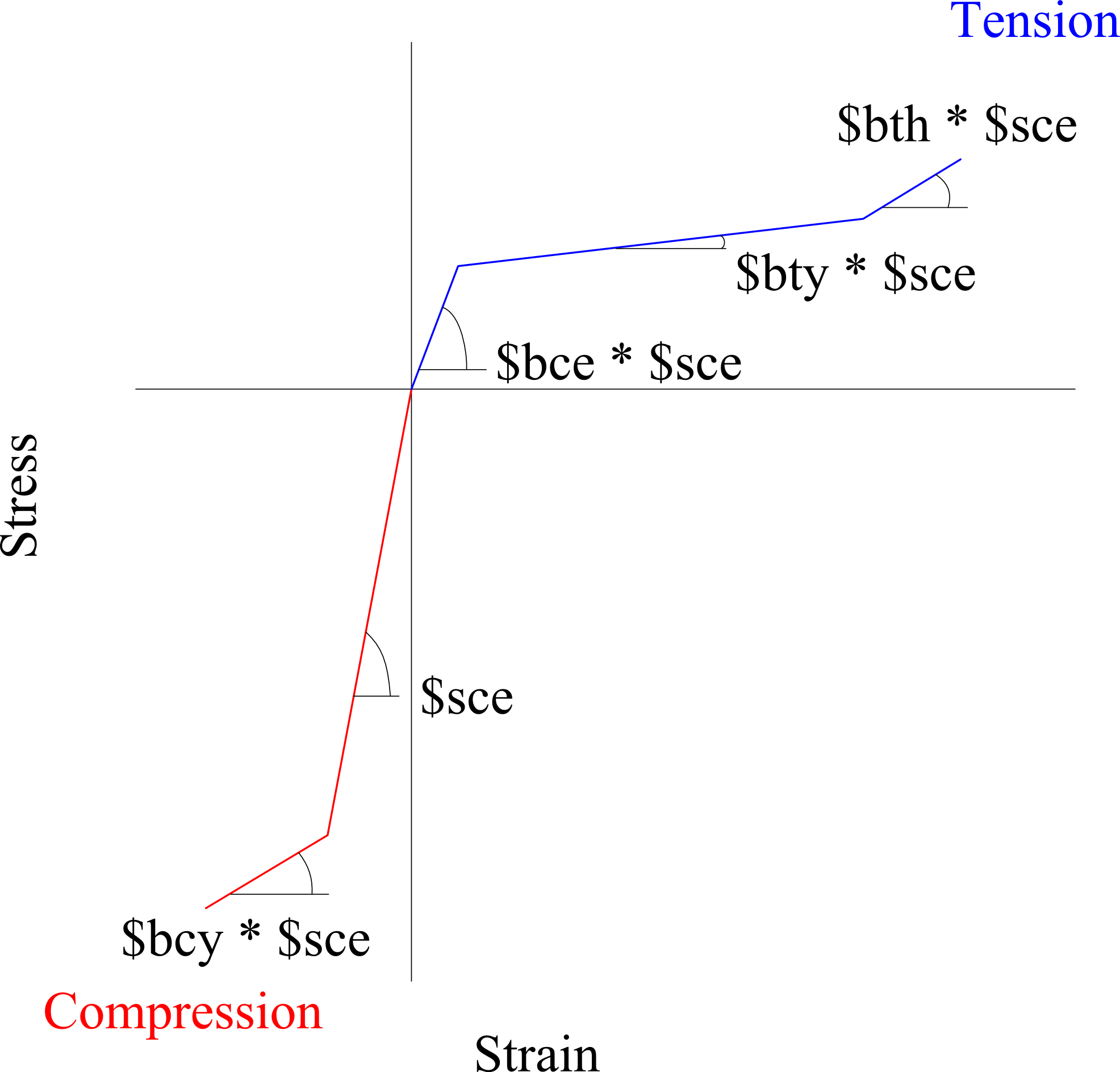
Fig. 3.1.8.99 Parameters of the AxialSpHD material
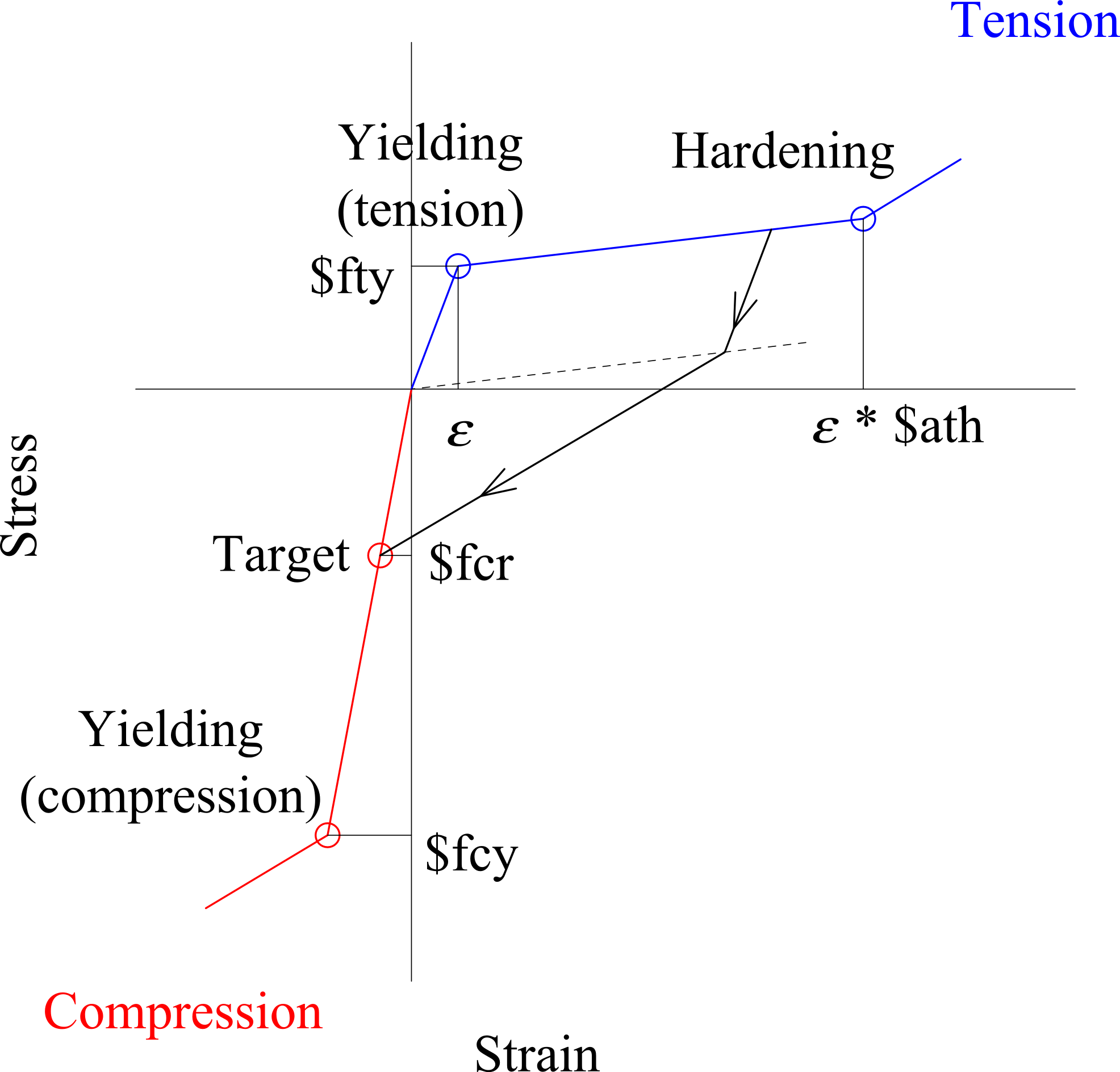
Fig. 3.1.8.100 Target point stress $fcr
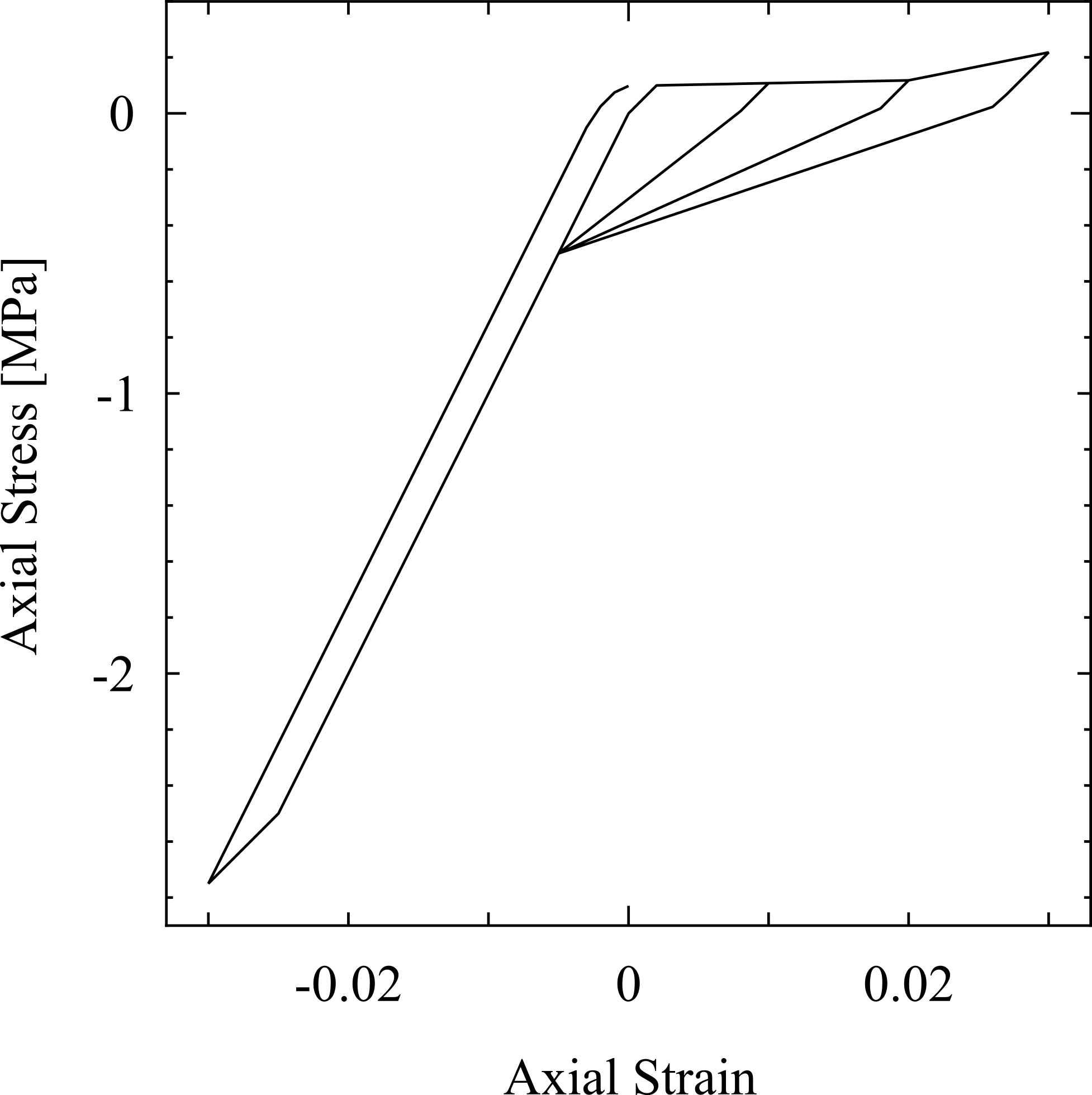
Fig. 3.1.8.101 Stress-strain response of the AxialSpHD material
Note
The parameters must satisfy: \(f_{cy} < 0 < f_{ty}\), \(0 \le b_{ty} < b_{th} < b_{te} \le 1\), \(0 \le b_{cy} \le 1\), \(f_{cy} \le f_{cr} \le 0\), and \(a_{th} \ge 1\).
Example:
The following example defines an AxialSpHD material, in N and m units.
uniaxialMaterial AxialSpHD 1 1.0e9 1.0e6 -1.0e8 0.5 0.1 0.3 0.2 -3.0e7 2.0
ops.uniaxialMaterial('AxialSpHD', 1, 1.0e9, 1.0e6, -1.0e8, 0.5, 0.1, 0.3, 0.2, -3.0e7, 2.0)
Code Developed by: Masaru Kikuchi